
Impotence medication: a complete guide to causes, diagnosis, and safe treatment options
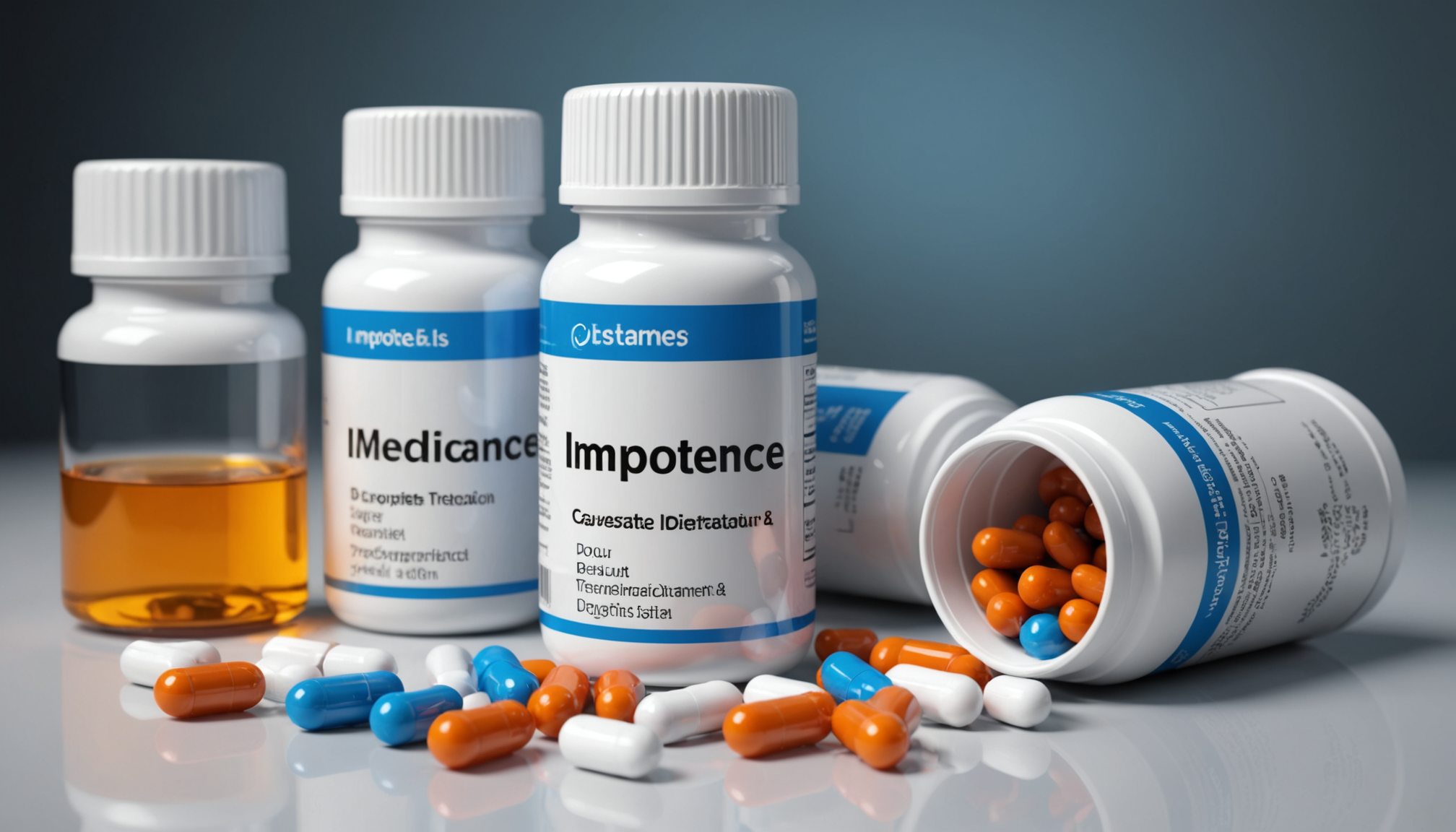
Illustration showing medical consultation and treatment options for impotence medication and erectile dysfunction

Medical disclaimer: This information is educational and not a substitute for a doctor’s consultation. Erectile problems can signal underlying health conditions. Always seek advice from a qualified healthcare professional.

Impotence medication: what it is and what to do

Impotence—now more commonly called erectile dysfunction (ED)—affects millions of men worldwide. Impotence medication refers to prescription and non‑prescription therapies designed to help achieve or maintain an erection suitable for sexual activity. Understanding how these medications work, when they are appropriate, and what alternatives exist can help patients make informed decisions with their doctors.

Quick summary in 30 seconds

  • Impotence medication helps improve erections by supporting blood flow or addressing hormonal/neurological factors.
  • Common options include oral drugs, injections, topical agents, and non‑drug therapies.
  • Not all erectile problems need medication—lifestyle changes and treating underlying diseases are essential.
  • Sudden or painful erectile issues require prompt medical evaluation.

What is “Impotence medication” (definition in simple terms)

Impotence medication is a group of medical treatments used to manage erectile dysfunction—the ongoing difficulty in getting or keeping an erection. These treatments do not “cure” sexuality itself; instead, they support the body’s normal erection mechanisms when they are impaired.

Depending on the cause, medication may work by:

  • Enhancing blood flow to penile tissue
  • Improving nerve signaling
  • Correcting hormonal imbalances

Some men need medication temporarily, while others may use it long term under medical supervision.

Causes and risk factors

Erectile dysfunction is often multifactorial. Understanding the cause helps determine whether impotence medication is appropriate.

  • Cardiovascular disease: Atherosclerosis reduces blood flow.
  • Diabetes: Damages blood vessels and nerves.
  • Hormonal disorders: Low testosterone or thyroid disease.
  • Neurological conditions: Stroke, spinal cord injury, multiple sclerosis.
  • Psychological factors: Stress, anxiety, depression.
  • Lifestyle risks: Smoking, obesity, excessive alcohol use.
  • Medications: Some blood pressure drugs, antidepressants.

Age increases risk, but ED is not an inevitable part of aging.

Symptoms and how to distinguish from similar conditions

The hallmark symptom is difficulty achieving or maintaining an erection sufficient for intercourse. However, not all erection problems are the same.

Symptom What it may indicate What to do
Gradual loss of firmness Vascular or metabolic cause Medical evaluation; risk factor control
Sudden onset with stress Psychogenic ED Consider counseling and assessment
Normal morning erections Likely psychological component Discuss mental health support
Painful erections or curvature Possible Peyronie’s disease Urology referral

Reduced libido alone may suggest hormonal issues rather than classic ED.

Diagnosis (how it is usually confirmed, what tests/examinations are common)

Diagnosis typically begins with a confidential conversation and physical examination.

  • Medical and sexual history: Duration, severity, triggers.
  • Physical exam: Genital, vascular, and neurological checks.
  • Blood tests: Glucose, lipids, testosterone (when indicated).
  • Urine tests: Screen for diabetes or kidney disease.
  • Specialized tests: Penile Doppler ultrasound or nocturnal erection testing in selected cases.

The goal is to identify reversible causes and assess cardiovascular risk.

Treatment and approaches (overview of options without prescribing treatment to the reader)

Treatment is individualized. Impotence medication is one part of a broader management plan.

Medication-based options

  • Oral agents: Common first-line therapies that support blood flow.
  • Injectable medications: Used when oral drugs are ineffective or unsuitable.
  • Topical formulations: Applied locally in specific cases.
  • Hormone therapy: Considered only when deficiency is confirmed.

All medications should be taken exactly as prescribed and reviewed regularly.

Non‑drug approaches

  • Vacuum erection devices
  • Psychological or sex therapy
  • Surgical implants (for severe, refractory cases)

Related lifestyle and health topics are discussed in our Health resources section and broader medical guides library.

Possible complications and when to see a doctor urgently (red flags)

While impotence medication is generally safe under supervision, complications can occur.

  • Severe or persistent side effects
  • Chest pain during sexual activity
  • Erections lasting longer than four hours (priapism)
  • Sudden vision or hearing changes

ED itself may be an early warning sign of heart disease—prompt evaluation can be life‑saving.

Prevention and lifestyle

Healthy habits can reduce the need for medication or improve its effectiveness.

  • Regular physical activity
  • Balanced diet and weight control
  • Smoking cessation
  • Moderate alcohol intake
  • Stress management and adequate sleep

Managing chronic conditions like diabetes and hypertension is essential.

FAQ

Is impotence medication safe for everyone?

No. Certain heart conditions and medications may limit use. A doctor must assess suitability.

Can younger men use impotence medication?

Yes, if medically indicated, but underlying causes should always be explored.

Does impotence medication increase sexual desire?

Generally no—it improves erection mechanics, not libido.

How long does treatment usually work?

Duration varies by medication and individual response.

Are over‑the‑counter supplements effective?

Evidence is limited, and quality varies. Some may be unsafe.

Can ED be reversed without medication?

Sometimes, especially when lifestyle or psychological factors are addressed.

Is long‑term use harmful?

Long‑term safety depends on the medication and health status; regular review is advised.

Should partners be involved in treatment?

Often yes—shared understanding can improve outcomes.

Sources

For related wellness topics and updates, explore our News and Health insights section.

Viagra: Myths, Facts, and Practical Guidance for Safer Use

Viagra (sildenafil) tablets alongside a stethoscope, symbolizing evidence-based sexual health information

“Viagra”: myths, facts, and what to do

Disclaimer: This article is for educational purposes only and does not replace professional medical advice. Viagra (sildenafil) is a prescription medicine; decisions about diagnosis, treatment, or medication use should be made with a qualified healthcare professional who knows your medical history.

Key takeaways (TL;DR)

  • Viagra treats erectile dysfunction (ED); it does not increase sexual desire.
  • It works by improving blood flow during sexual stimulation—not automatically.
  • Effectiveness varies; underlying health conditions matter.
  • Mixing Viagra with certain heart medications can be dangerous.
  • Lifestyle changes and treating root causes often improve results.

Myths and facts

Myth: Viagra is an aphrodisiac

Fact: Viagra does not increase libido. It supports erections by enhancing blood flow when sexual stimulation occurs.

Why people think so: Media portrayals often confuse arousal with erection quality.

Practical action: If low desire is the main issue, discuss hormonal, psychological, or relationship factors with a clinician.

Myth: Viagra works instantly

Fact: Onset takes time and varies among individuals.

Why people think so: Movies and ads suggest immediate effects.

Practical action: Learn realistic expectations from your prescriber and plan accordingly.

Myth: It guarantees an erection every time

Fact: Response differs based on health, nerves, blood vessels, and psychological factors.

Why people think so: Success stories are shared more than neutral experiences.

Practical action: Address cardiovascular health, stress, sleep, and mental health for better outcomes. See our guide on lifestyle factors that affect sexual health.

Myth: Only older men use Viagra

Fact: ED can affect adults of various ages due to medical or psychological causes.

Why people think so: ED is often associated with aging.

Practical action: Younger adults with ED should seek evaluation to rule out treatable causes.

Myth: Viagra cures ED

Fact: It treats symptoms but does not cure underlying conditions.

Why people think so: Symptom relief feels like a cure.

Practical action: Combine treatment with managing diabetes, blood pressure, or mental health.

Myth: More is better

Fact: Higher amounts do not necessarily improve results and can increase risks.

Why people think so: Misunderstanding of dose–response relationships.

Practical action: Follow prescriber guidance and report side effects promptly.

Myth: It’s safe for everyone

Fact: Certain conditions and medications make Viagra unsafe.

Why people think so: Widespread use creates a false sense of universality.

Practical action: Review your medication list—especially heart drugs—with your doctor.

Myth: Viagra replaces healthy habits

Fact: Exercise, nutrition, and quitting smoking improve ED and overall health.

Why people think so: Pills seem easier than lifestyle change.

Practical action: Explore prevention and screening resources alongside treatment.

Myth: Online “no-prescription” Viagra is the same

Fact: Unregulated products may be counterfeit or unsafe.

Why people think so: Convenience and lower cost.

Practical action: Use licensed pharmacies and telehealth services.

Myth: Side effects are rare and trivial

Fact: Many people tolerate it well, but side effects can occur.

Why people think so: Advertising minimizes risks.

Practical action: Learn warning signs and seek help if they appear.

Statement Evidence level Comment
Improves erections in ED High Supported by multiple randomized trials
Increases sexual desire Low No strong evidence
Safe with nitrates Very low Contraindicated due to severe hypotension risk
Works without stimulation Low Requires sexual arousal

Safety: when you cannot wait

  • Chest pain, fainting, or severe dizziness
  • Sudden vision or hearing loss
  • Erection lasting more than 4 hours
  • Allergic reactions (swelling, trouble breathing)

FAQ

Is Viagra the same as sildenafil?
Viagra is a brand name; sildenafil is the active ingredient.

Can women take Viagra?
It is not approved for women; research is limited and mixed.

Does alcohol affect Viagra?
Alcohol can worsen ED and increase side effects.

Is daily use safe?
Use patterns should be discussed with a clinician.

What if it doesn’t work?
Other treatments and evaluations may help. See our support measures overview.

Sources

  • U.S. FDA – Sildenafil (Viagra) Drug Safety: https://www.fda.gov
  • NHS – Sildenafil for erectile dysfunction: https://www.nhs.uk
  • Mayo Clinic – Erectile dysfunction and sildenafil: https://www.mayoclinic.org
  • European Medicines Agency (EMA): https://www.ema.europa.eu
  • American Urological Association Guidelines: https://www.auanet.org

Viagra Super Active: Questions & Answers — Uses, Safety, and What to Know

Viagra Super Active — answers to the main questions

Disclaimer: This article is for educational purposes only and does not replace professional medical advice. Viagra Super Active is a prescription medicine in many countries; always consult a licensed healthcare professional before use.

Frequently asked questions (FAQ block at the beginning)

What is Viagra Super Active?

Viagra Super Active is a branded form of sildenafil, a medication used to treat erectile dysfunction (ED). It is often marketed as a fast-acting or gel-based capsule, but its active ingredient works the same way as standard sildenafil. Claims of “super” effects should be viewed cautiously.

How does Viagra Super Active work?

Sildenafil enhances blood flow to the penis by inhibiting the PDE-5 enzyme. This helps achieve and maintain an erection in response to sexual stimulation. It does not increase sexual desire on its own.

Is Viagra Super Active different from regular Viagra?

The main difference promoted is the formulation (often soft gel capsules), which may dissolve faster for some people. The active substance and mechanism are the same. Clinical outcomes are generally comparable when doses are equivalent.

Who might be prescribed sildenafil-based medicines?

Doctors may prescribe sildenafil for adult men with diagnosed erectile dysfunction. Suitability depends on overall health, cardiovascular status, and current medications.

Who should not use Viagra Super Active?

People taking nitrates for chest pain, certain blood pressure medications, or those with severe heart conditions should avoid sildenafil. It may also be unsuitable for individuals with specific eye conditions or recent stroke or heart attack.

What are the common side effects?

Common effects include headache, facial flushing, nasal congestion, indigestion, and mild dizziness. These are usually temporary. Any persistent or severe symptoms require medical advice.

Are there serious risks or dangers?

Rare but serious risks include sudden vision or hearing changes and prolonged erections (priapism). Mixing sildenafil with nitrates can cause dangerous drops in blood pressure. Seek urgent help if severe symptoms occur.

How can erectile dysfunction be recognized?

ED is typically defined as ongoing difficulty achieving or maintaining an erection sufficient for sexual activity. Occasional difficulties are common and not always a medical problem. Persistent issues warrant evaluation.

What else can help with erectile dysfunction besides medication?

Lifestyle changes such as regular exercise, quitting smoking, managing stress, and addressing underlying conditions can help. Counseling may benefit those with psychological contributors. Learn more in our Health section.

When should I see a doctor?

If ED lasts more than a few weeks, affects quality of life, or is accompanied by other symptoms, consult a doctor. ED can be an early sign of cardiovascular disease.

Is it possible to buy Viagra Super Active online safely?

Only use licensed pharmacies that require a prescription. Unregulated online products may be counterfeit or unsafe. Avoid sites making unrealistic promises.

Can Viagra Super Active be used daily?

Usage schedules depend on medical advice and individual health factors. Daily or frequent use should only occur under a doctor’s supervision.

Detailed breakdown

Sildenafil and erectile dysfunction: the basics

Sildenafil belongs to a class of medicines called PDE-5 inhibitors. By improving blood flow during sexual stimulation, it supports erectile function. It does not cure ED but manages symptoms while the medicine is active.

Formulations and marketing claims

Terms like “Super Active” often refer to capsule form or perceived speed of onset. Scientific evidence does not consistently show superior effectiveness over standard tablets. Consumers should focus on verified quality and medical guidance.

Safety considerations and interactions

Sildenafil interacts with nitrates, alpha-blockers, and some antifungal or HIV medications. Alcohol may worsen side effects. A full medication review with a clinician is essential.

Underlying causes of ED

ED can result from vascular disease, diabetes, hormonal imbalances, neurological conditions, or psychological factors. Treating the underlying cause can improve outcomes beyond medication alone.

Psychological and lifestyle factors

Stress, anxiety, sleep problems, and relationship issues can contribute to ED. Addressing these factors through counseling or lifestyle changes may reduce reliance on medication. See related topics in our Wellness & Health resources.

Checklist: what you can do today

  • Review your current medications for potential interactions.
  • Schedule a medical check-up if ED is persistent.
  • Choose only licensed pharmacies for prescriptions.
  • Adopt heart-healthy habits (exercise, balanced diet).
  • Limit alcohol and avoid recreational drug use.
  • Manage stress and prioritize sleep.
  • Discuss concerns openly with your partner.
  • Read more educational articles in our Health category.
Symptom or situation Urgency level Where to seek help
Mild headache or flushing Low Monitor; consult doctor if persistent
Dizziness or vision changes Moderate Contact healthcare provider
Chest pain or severe drop in blood pressure High Emergency medical services
Erection lasting more than 4 hours High Emergency department

Sources

  • U.S. Food and Drug Administration (FDA) — Sildenafil safety information
  • European Medicines Agency (EMA) — Viagra product overview
  • Mayo Clinic — Erectile dysfunction and sildenafil
  • National Health Service (NHS, UK) — Sildenafil guidance
  • American Urological Association (AUA) — ED clinical guidelines