
crypto_GPT_AI_portfolio_tools_improvi_20260502_023312_1
GPT AI Portfolio Tools Improving Clarity and Tracking Across Digital Assets
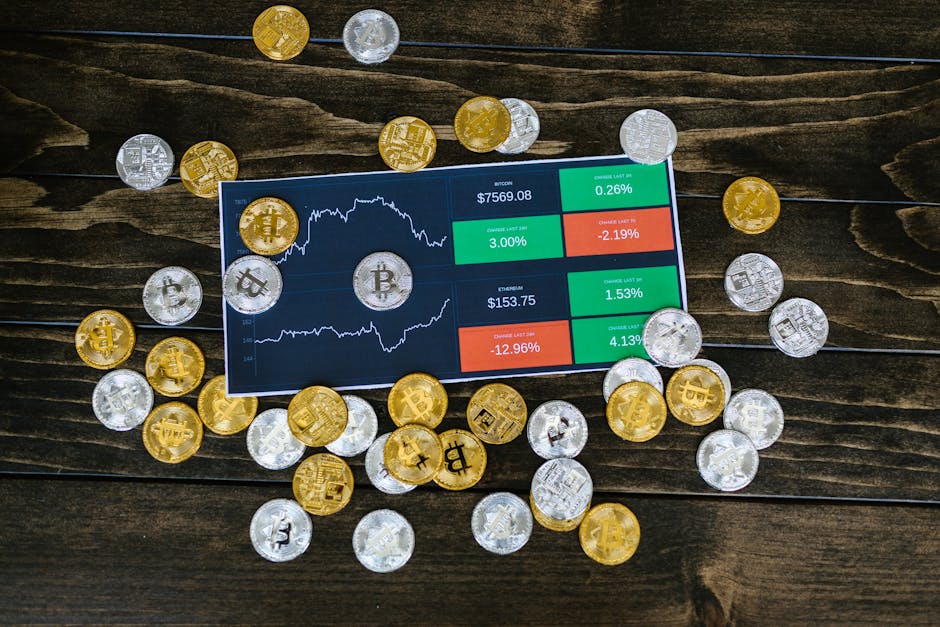
Real-Time Aggregation and Unified Dashboards
Managing a mix of cryptocurrencies, NFTs, and tokenized assets often leads to fragmented data across exchanges and wallets. GPT AI portfolio tools solve this by pulling data from multiple sources into a single dashboard. The AI processes transaction histories, current prices, and liquidity pools in seconds. Users see net worth, allocation percentages, and unrealized gains without manual spreadsheet work. This eliminates the confusion of switching between platforms.
The system updates every few seconds, capturing volatility spikes instantly. For example, when a DeFi token drops 5%, the tool recalculates portfolio weight and alerts the user. This real-time aggregation reduces lag in decision-making. Investors no longer rely on stale data from delayed API calls. The dashboard also tags assets by risk category, providing a clear hierarchy of holdings.
Automated Categorization and Error Detection
GPT models classify assets automatically—spotting duplicate entries or mislabeled tokens. If a user holds the same asset on two exchanges, the tool merges them into one line item. This prevents double-counting and inflating portfolio value. The AI also flags suspicious transactions, such as small transfers from unknown addresses, enhancing security. Clarity improves because the system highlights inconsistencies a human might miss.
Predictive Analytics for Risk and Performance
Beyond simple tracking, GPT AI tools run predictive models on historical data. They estimate drawdown probabilities under different market conditions. For instance, if Bitcoin volatility rises, the tool simulates how altcoin-heavy portfolios might react. This helps users adjust allocations before losses compound. The output is a risk score per asset, updated hourly based on sentiment analysis from news and social feeds.
Performance tracking becomes granular. The AI breaks down returns by time frame—daily, weekly, monthly—and compares them to benchmarks like the total crypto market cap. Users see which assets underperform relative to their volatility. This removes guesswork; a token with high price swings but low gains is flagged for review. The system also suggests rebalancing actions, such as shifting 5% from stablecoins to growth assets when indicators align.
Clarity Through Natural Language Reports
Instead of dense charts, GPT generates plain-English summaries. A user receives a message like: “Your portfolio dropped 3% today mainly due to Ethereum’s decline. Consider reducing exposure if the trend continues.” This makes complex data accessible to non-technical investors. The reports also include action prompts, like setting stop-loss orders directly through the tool’s interface. Tracking becomes actionable, not just descriptive.
User Feedback and Practical Use Cases
Early adopters report reduced time spent on portfolio management. A crypto trader managing 50+ assets cut weekly reconciliation from 4 hours to 20 minutes. The AI’s error detection caught a duplicated NFT listing that would have caused a tax reporting issue. Another user noted that the risk scoring prevented a major loss during the Luna crash—the tool flagged the asset as high-risk 24 hours before the collapse.
Developers appreciate the API integration for custom dashboards. One firm used the GPT tool to track client portfolios across multiple custodians, automating reporting for audits. The feedback loop is fast; users submit corrections, and the model learns to improve categorization. This iterative process builds trust. The tool’s clarity comes from its ability to adapt to individual asset types, from meme coins to tokenized real estate.
FAQ:
How does GPT AI handle privacy when scanning my wallets?
The tool uses read-only API keys and does not store private keys. Data is encrypted in transit and at rest, with optional local processing for sensitive portfolios.
Can it track assets on non-EVM chains like Solana or Bitcoin?
Yes, the model supports multiple blockchain protocols through RPC endpoints. It aggregates data from EVM, Solana, Bitcoin, and Cosmos-based chains.
What happens if the AI misclassifies a token?
Users can manually correct the label, and the model updates its classification algorithm. Over time, error rates drop below 2% for common assets.
Does the tool work for institutional portfolios with thousands of assets?
Yes, it scales using batch API calls and parallel processing. The dashboard allows filtering by asset class, region, or custodian for large sets.
Reviews
Marcus L., crypto fund manager
Cut my portfolio tracking time by 70%. The risk alerts saved us from a bad DeFi pool. It’s like having an analyst on autopilot.
Sarah K., independent trader
I finally understand my true exposure. The natural language reports make it easy to explain my positions to my accountant. Highly accurate.
Elena R., NFT collector
It caught a fake NFT in my wallet that I bought months ago. The duplicate detection is a lifesaver for tax season. Worth every penny.