
Debunking common myths about casino winnings and luck
Debunking common myths about casino winnings and luck
The Illusion of “Hot” and “Cold” Streaks
Many players believe in the concept of “hot” and “cold” streaks when it comes to gambling. This myth suggests that if a machine or table has been paying out frequently, it will continue to do so, while a “cold” machine is unlikely to pay out anytime soon. However, this belief is rooted in the gambler’s fallacy, which is the misconception that past outcomes influence future probabilities in independent events. In the realm of online gaming, players might even explore uk online casinos not on gamstop to find more engaging experiences.
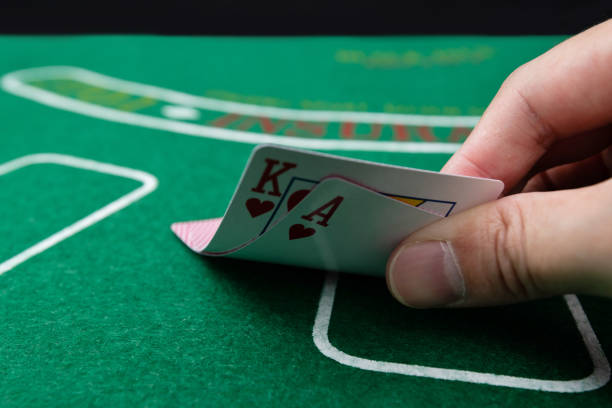
In reality, each game or spin is a separate event with its own odds. For example, in slot machines, the outcomes are determined by random number generators. No matter how many times a machine has paid out, this does not affect its future performance. Understanding this helps players to make more informed decisions rather than relying on faulty reasoning.
Luck is the Only Factor
Another prevalent myth is that luck is the sole determinant of winning in casinos. While luck does play a significant role in short-term outcomes, especially in games of chance, skill can also influence long-term success, particularly in games like poker or blackjack. Players who develop strategies and improve their skills can significantly increase their chances of winning.
Additionally, understanding the odds and the rules of the games can lead to more informed choices. For example, in blackjack, knowing when to hit or stand based on the dealer’s upcard can make a substantial difference. Thus, while luck is undeniably a factor, it is not the only element influencing success in gambling.
The “Gambler’s Fallacy” and Its Impacts
The gambler’s fallacy often leads players to make irrational decisions based on incorrect assumptions about randomness. This fallacy occurs when individuals believe that a particular outcome is due to occur after a series of different outcomes. For instance, a player might think that after a long sequence of losses, a win is overdue. This mindset can lead to larger bets and poor financial decisions, exacerbating the risk of loss.
It’s important to recognize that each spin, roll, or card draw is independent of the previous ones. Casinos design their games to ensure a house edge, meaning that over time, players are statistically likely to lose more than they win. Being aware of the gambler’s fallacy can help players manage their expectations and approach gaming with a more rational mindset.
“The House Always Wins” Misconceptions
The saying “the house always wins” is often interpreted to suggest that players never have a chance of winning. While it is true that casinos have a built-in advantage on most games, this does not mean that players cannot win in the short term. Many players have won substantial amounts of money, especially in games of skill where strategy can counteract the house’s edge.
Understanding the games and employing sound strategies can lead to positive outcomes. Additionally, many casinos offer promotions and bonuses that can enhance players’ chances of winning. The key is to play smart, set limits, and recognize that while the house may have an advantage, it doesn’t guarantee an outcome for every player.

About This Website
This website aims to provide valuable insights into various topics, including gambling. By debunking myths surrounding casino winnings and luck, it strives to empower readers with accurate information. Understanding the nuances of gambling can lead to a more enjoyable and responsible gaming experience.
Visitors are encouraged to explore other articles and resources available on the site, which focus on fostering community engagement and political activism. By promoting informed discussions, the website hopes to enhance the overall understanding of complex issues in society.