
The Impact of Sleep on Your Fitness Progress and Performance NPTI
The ideal amount of sleep varies from person to person, but most adults should aim for 7-9 hours of quality sleep per night. During the deeper stages of sleep, your body releases growth hormone, which is essential for muscle growth and repair. Additionally, blood flow to your muscles increases during sleep, aiding in the delivery of nutrients and removal of waste products. In essence, sleep acts as a natural anabolic state, helping you build lean muscle mass and recover from tough workouts. Sleep is more than just rest—it’s a crucial factor in fitness success. Whether it’s for muscle recovery, hormonal balance, mental clarity, or overall performance, understanding how the science of sleep influences fitness will enhance every aspect of your exercise efforts.
How many hours of sleep do athletes need?
It’s not just about the occasional sleepless night; chronic sleep deprivation can lead to weight gain and obesity. The relationship between sleep quality and daily energy levels is undeniable. Think about those days when you’ve had a full night of restorative sleep compared to those when you’ve tossed and turned all night. The difference in your energy levels and overall vitality is palpable. The body’s hormonal balance is closely tied to sleep, particularly hormones that regulate hunger and energy use. Sleep deprivation causes leptin levels to drop and ghrelin to increase, which leads to overeating and cravings for unhealthy, high-calorie foods.
Simple Tips to Improve Sleep for Better Gym Results
While specific research varies, health professionals agree that a good night’s sleep can help you feel well rested and more motivated to exercise the following day. However, healthy sleep alone may not be enough to spontaneously change how you engage in physical activity. Studies have found that proper exercise can alleviate sleep-related problems and help you get an adequate amount of rest. Recent research also suggests insufficient or poor-quality sleep can lead to lower levels of physical activity the following day.
For our bodies to reap the benefits of our work, it needs rest and that, unfortunately, is something we often take for granted. Here we’ll talk about the benefits of sleep, how it affects exercise, and some is mad muscles legit tips to sleep better. While diet, exercise, and sleep influence one another in complex and innumerable ways, improving all three may be more beneficial for both physical and mental health. Learn about how these activities affect one another and why research has shown that the more your improve these behaviors, the better your well-being.
Is Sleep More Important Than Exercise?
Some signs that you might need more sleep include persistent fatigue, slow recovery times, frequent injuries, and a lack of motivation for workouts. Tracking your sleep habits and noticing how you feel during training sessions can help you determine if you’re getting enough rest. Increased sleep duration and improved sleep quality can lead to enhanced performance in athletes. Adequate rest allows for better recovery, which is essential for optimal performance in sports.
What Causes Night Sweats in Men?
If you’re planning a high-intensity workout, Dr. Graham advises to “try to optimize that eight hours.” Think of that time as a bank of energy, which you’ll spend on your workout. In addition to making your workouts feel harder, poor sleep can wreck your motivation to work out at all. Participants in one study were less likely to complete their exercise session after a bad night’s sleep than they were after a night of restorative sleep.

With 24/7 monitoring across sleep, strain, stress, and heart health, WHOOP gives you a complete view of your health — so you can make smarter decisions every day. WHOOP combines 24/7 health insights with personalized coaching to help you improve how you sleep, train, and feel — starting day one. Taking more steps a day also helps lower the risk of premature death from all causes. In one study, for adults younger than 60, the risk of premature death leveled off at about 8,000 to 10,000 steps per day. For adults 60 and older, the risk of premature death leveled off at about 6,000 to 8,000 steps per day.
Cognitive Function
- Whether you’re a professional athlete, a weekend warrior, or just someone trying to improve fitness, sleep plays an essential role in how well your body moves and your mind operates.
- The National Sleep Foundation recommends 7-9 hours of sleep for adults, but athletes may benefit from 9-10 hours per night to optimize recovery and performance.
- A 2014 study showed athletes sleeping fewer than 8 hours were 1.7x more likely to get injured than those with longer sleep.
- Sleep also plays a key role in tissue repair and inflammation reduction.
- Muscle strengthening is important for older adults who experience reduced muscle mass and muscle strength with aging.
- People often think that sleep is just “down time,” when a tired brain gets to rest, says Dr. Maiken Nedergaard, who studies sleep at the University of Rochester.
Engaging in consistent physical exercise can lead to better sleep quality, shorter sleep onset times, and improved overall sleep. Activities of moderate intensity are typically the most beneficial, while engaging in vigorous exercises close to bedtime might interfere with sleep. The effectiveness of physical exercise on sleep can depend on various factors, including age, sex, the specific type of exercise, as well as its timing, duration, and frequency.
Some people have conditions that prevent them from getting enough quality sleep, no matter how hard they try. Make it a priority, and you’ll unlock the full potential of your fitness journey, leading to a stronger, healthier, and more balanced life. These athletes recognize that sleep is a non-negotiable component of their success, demonstrating the importance of rest for anyone aiming to achieve fitness goals. While catching up on sleep can help reduce fatigue, inconsistent sleep patterns can still disrupt overall health and performance.
Better to Fit in That Early Morning Workout or Log an Extra Hour of Sleep?
Avoiding caffeine and electronic devices before bed can also improve sleep quality. Athletes who prioritize sleep often experience fewer injuries and can maintain a higher level of training intensity. This underscores the importance of integrating good sleep hygiene into any fitness regimen for long-term success and health. A well-rested body is better equipped to fight off infections and illnesses, which can otherwise derail training schedules.
Exercises for Ulnar Nerve Entrapment: Glides, Stretches & Strengthening for Pain Relief
For example, in response to the sun setting, the brain releases a hormone called melatonin, which triggers drowsiness. No amount of training or meal prep will help them feel more energized, refreshed, and ready to compete than the right amount of uninterrupted sleep. Those who choose to neglect sleep days before a competition can jeopardize their performance. If you’re chasing serious progress, your pillow is just as important as your protein. Sleep deprived individuals experience impaired attention, memory, and decision-making, leading to decreased productivity and problem-solving skills. A study of Major League Baseball players found that they consistently showed better judgement at the beginning of the season than at the end.
By evaluating and optimizing sleep patterns, individuals can enhance their fitness gains and overall health. Good sleep hygiene should be an integral part of any fitness plan, ensuring that the body is well-rested and ready to perform at its best. Going to bed and waking up at the same time every day can help regulate your body’s internal clock, making it easier to fall asleep and wake up refreshed. Good personal trainers don’t just design workouts, they optimise recovery too. At GoFit, our trainers educate you on total wellness, which includes recovery strategies like sleep hygiene and rest day planning. Mental fatigue that results from a lack of sleep is not the same as the fatigue that results from physical exertion, and it needs to be treated differently.
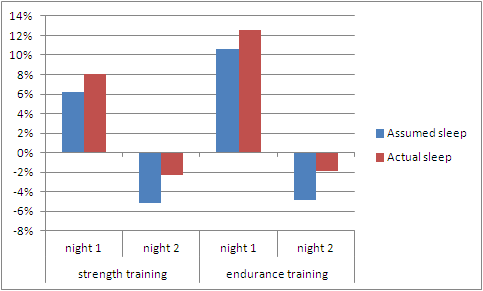
Evidence on physical activity–sleep associations in axial spondyloarthritis: a scoping review of current findings
If you find it difficult to do so, make sure to reach out to us and our experts will get in touch with you. This is why our personalized programs take the sleep you need into account. Staying fit is essential to leading a healthy life and although we put in the work in terms of exercise, we often forget how important sleep is. Sleep and Fitness together form the cornerstone of a healthy lifestyle and should never be overlooked.
Does Physical Activity Help You Sleep Better?
Sleep is a critical component of athletic performance and overall fitness. Prioritizing sleep can lead to significant improvements in reaction time, accuracy, endurance, and recovery, while reducing the risk of injury. For those passionate about their fitness journey, integrating proper sleep hygiene with a balanced exercise routine is the key to achieving optimal results. Performance significantly declines with inadequate sleep, with even a single night of poor sleep impairing motor skills, reduce endurance, and increase perceived effort during physical activities.